

Understanding Herbal Skincare: The Foundation of Natural Beauty
Herbal skincare represents a paradigm shift from synthetic formulations to botanical-infused remedies that have nourished human skin for millennia. Unlike conventional cosmetics laden with petrochemicals and artificial preservatives and hormone-disrupting fragrances, herbal skincare harnesses the intrinsic therapeutic properties of plants to deliver profound dermatological benefits. This approach recognizes skin as a living, breathing organ that thrives on gentle, biocompatible ingredients rather than harsh chemical interventions.
The efficacy of herbal skincare lies in its synergistic composition. Plant-based ingredients contain naturally occurring vitamins, minerals, antioxidants, and phytonutrients that work harmoniously with your skin's natural processes. These botanical compounds offer sustained nourishment while respecting the delicate pH balance and microbiome that conventional products often disrupt.
The Science Behind Nontoxic Botanical Formulations
Phytochemistry reveals the sophisticated molecular architecture underlying herbal skincare's effectiveness. Plant-derived compounds like flavonoids, terpenes, and polyphenols demonstrate remarkable bioavailability and cellular penetration capabilities. These naturally occurring molecules exhibit anti-inflammatory, antimicrobial, and regenerative properties without the cytotoxic effects associated with synthetic alternatives.
When hand-crafted by an informed herbalist, botanical ingredients undergo minimal processing. This preserves their molecular integrity and therapeutic potency. Using whole herbs, flowers, roots, bark, berries, etc., ensures that the botanical compounds are transferred "in context" to the skin-care, with not only the "active compounds" listed in green-washed conventional skin care but the entire package that nature provides to nourish and benefit the body safely. This contrasts sharply with highly processed synthetic formulations containing only fractured or unnaturally concentrated botanical compounds alongside synthetic compounds that often require extensive chemical modification and potentially create harmful metabolites or allergens. The nontoxic nature of herbal formulations stems from their compatibility with human physiology, having co-existed over thousands of years of traditional use.
Bioactive Compounds and Skin Penetration
Herbal ingredients possess unique molecular structures that facilitate optimal dermal absorption. Essential fatty acids from plant oils create permeable lipid barriers, allowing active compounds to penetrate deeply into the stratum corneum. This enhanced bioavailability ensures maximum therapeutic benefit while maintaining gentle action on sensitive skin.
Transformative Benefits of Herbal Skincare
The multifaceted advantages of herbal skincare extend far beyond surface-level improvements, offering comprehensive dermatological support that addresses both immediate concerns and long-term skin health. These benefits manifest through various mechanisms that work synergistically to enhance your skin's natural resilience and radiance. World-renown American Naturopathic Doctor and herbalist Dr. John R. Christopher used herb-infused oils to nourish babies up to adults through the skin when significant digestive or feeding troubles were present. This indicates that herbal applications can benefit far below the skin surface!
Anti-Inflammatory and Soothing Properties
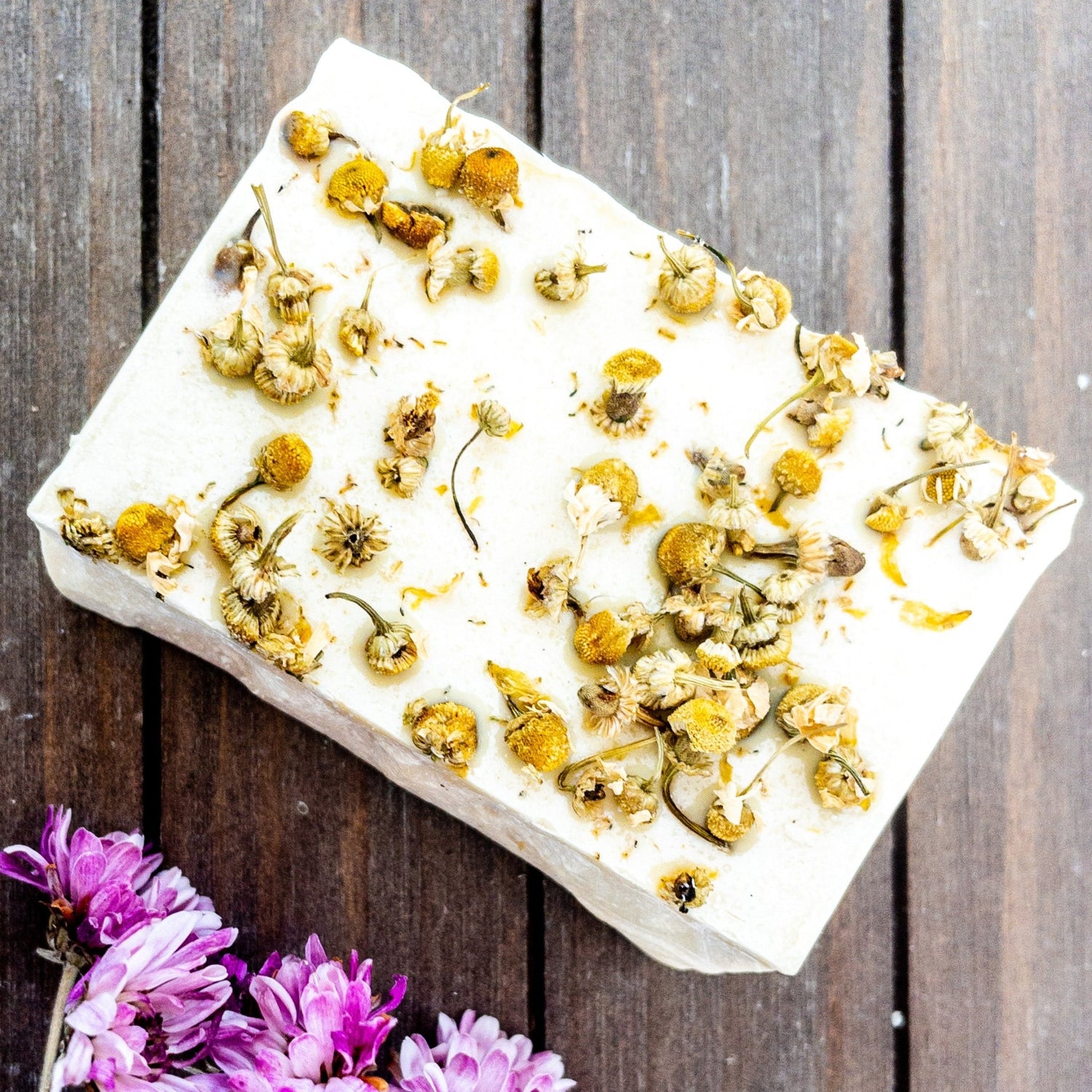
Botanical ingredients excel at modulating inflammatory responses without suppressing the skin's natural healing processes. Chamomile, calendula, and lavender contain powerful anti-inflammatory compounds that reduce redness, irritation, and sensitivity. These herbs work by inhibiting pro-inflammatory mediators while promoting cellular repair mechanisms, resulting in calmer, more balanced skin. The inflammation simply leaves because it is no longer necessary. This pales in comparison to pharmaceutical-inspired skin care, which inhibits inflammation without helping the body solve the problem that is causing the inflammation.
Antioxidant Protection and Anti-Aging Benefits
Herbal skincare provides exceptional free radical protection through naturally occurring antioxidant networks. Green tea polyphenols, rosehip vitamin C, calendula flavonoids and carotenoids, and pomegranate ellagic acid create powerful defensive shields against oxidative damage. These compounds neutralize harmful reactive oxygen species while stimulating collagen synthesis and cellular regeneration.
Herbal Embrace: Artisan-Crafted Nontoxic Solutions
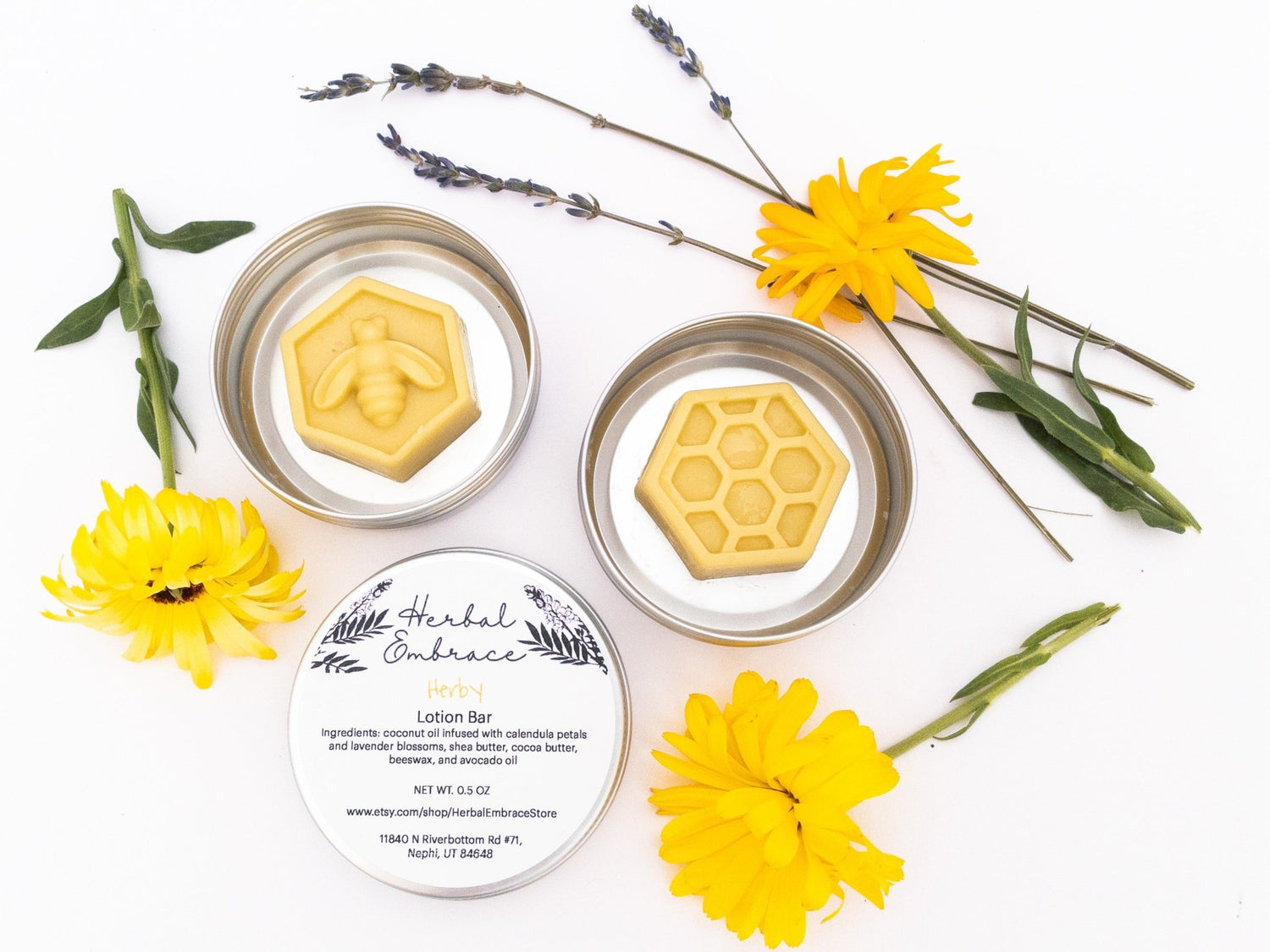
For those seeking hand-crafted, squeaky-clean herbal skincare solutions, Herbal Embrace offers a collection of nontoxic formulations designed to harness nature's gentle power. Each product in our skincare line reflects the expertise of a master herbalist who understands the intricate balance required for effective botanical formulations.
The collection features regeneratively grown and wild-crafted ingredients that maintain their full therapeutic potential. From gentle cleansers infused with organic botanicals to nourishing serums rich in plant nutrients, these artisan-crafted products address diverse skin concerns while maintaining unwavering commitment to purity and efficacy.
This thoughtful approach to herbal skincare ensures that each application delivers maximum benefit without compromising skin health or environmental integrity. The products exemplify how traditional herbal wisdom can be seamlessly integrated with modern understanding of dermatological science.
Comparing Herbal vs. Conventional Skincare
The fundamental differences between herbal and conventional skincare extend beyond ingredient lists to encompass manufacturing philosophies, environmental impact, and long-term effects on skin health. Understanding these distinctions empowers consumers to make informed decisions aligned with their wellness values.
| Aspect | Herbal Skincare | Conventional Skincare |
|---|---|---|
| Ingredient Source | Plant-derived, organic compounds | Synthetic chemicals, petrochemicals |
| Processing Method | Minimal processing, cold extraction | High-heat processing, chemical synthesis |
| Skin Compatibility | Biocompatible, gentle action | Potential irritation, disruption |
| Environmental Impact | Biodegradable, sustainable | Persistent pollutants, waste |
Long-term Skin Health Considerations
Herbal skincare promotes sustainable skin health by working with natural processes rather than overriding them. Conventional products often provide immediate but temporary results while potentially compromising the skin's long-term integrity. Plant-based formulations support the skin's natural functions, leading to progressive improvement and enhanced resilience over time.
Choosing the Right Herbal Ingredients for Your Skin Type
Successful herbal skincare requires understanding how different botanical ingredients interact with various skin types and conditions. This personalized approach ensures optimal results while minimizing potential sensitivities.
For Sensitive and Reactive Skin
Sensitive skin benefits from gentle, anti-inflammatory herbs with minimal allergenic potential. Consider these soothing botanicals:
- Chamomile for its azulene compounds that reduce inflammation
- Oat extract for barrier repair and moisture retention
- Aloe vera for cooling and healing properties
- Calendula for gentle antimicrobial action
For Oily and Acne-Prone Skin
Oily skin requires herbs that regulate sebum production while providing antimicrobial benefits without over-drying. Tea tree oil offers potent antibacterial properties, while witch hazel provides astringent action. Neem and turmeric deliver anti-inflammatory benefits that help reduce acne-related redness and swelling.
For Mature and Aging Skin
Mature skin thrives on herbs rich in antioxidants and compounds that support collagen synthesis. Rosehip seed oil provides vitamin C and essential fatty acids, while gotu kola stimulates cellular regeneration. Frankincense offers remarkable skin-tightening properties through its boswellic acid content.
Maximizing Benefits: Application and Integration Tips
Optimal results from herbal skincare come from discovering application techniques, timing, and frequency that work best for YOUR skin and fit into your daily routine. Understanding how to maximize these benefits ensures you receive the full therapeutic potential of botanical ingredients.
Consistency proves crucial for herbal skincare effectiveness. Unlike synthetic products that may provide immediate but temporary results, plant-based formulations work gradually to support skin health. Allow adequate time for botanical compounds to penetrate and integrate with your skin's natural processes, but don't be afraid to re-apply frequently for acute or chronic troubles.
Layering herbal products strategically enhances their synergistic effects. Apply water-based products first, followed by serums, and finish with oil-based treatments to seal in moisture and active compounds. This sequence optimizes absorption while creating protective barriers. Applying warming herbs such as in cayenne balm, over other formulations, helps drive the base formula deeper into the skin for more effective healing.
Common Questions About Herbal Skincare Efficacy
How long does it take to see results from herbal skincare? Wound-care and other strong formulations provide noticeable benefits within minutes to hours. For non-first-aid-applications, most people notice initial improvements within 2-4 weeks of consistent use, with significant changes becoming apparent after 6-8 weeks. This timeline reflects the gentle, progressive nature of botanical healing.
Can herbal skincare address serious skin conditions? While herbal ingredients offer powerful therapeutic benefits, severe skin conditions may require professional medical attention. However, many people find that botanical formulations provide excellent supportive care alongside working with an herbal practitioner to address internal dis-eases that are causing skin symptoms.
Are herbal products suitable for all ages? The gentle nature of herbal skincare makes it suitable for most age groups, from teenagers dealing with hormonal skin changes to mature adults seeking anti-aging support. We recommend avoiding topical products containing essential oils for babies under 2 years old.
The journey toward nontoxic, herbal skincare represents more than a cosmetic choice—it reflects a commitment to holistic wellness and environmental stewardship. By embracing nature's gentle touch, you invest in both immediate skin health and long-term vitality while supporting sustainable practices that benefit our planet.